
Pre-Emergent Guide for Cool-Season Lawns
Timing • Growing Degree Days • Phenological Cues
Pre-emergent herbicides are one of the most important applications you’ll make all year. When timed correctly, they stop crabgrass, goosegrass, and other warm-season annual weeds before they appear. When timed incorrectly, you lose the window and spend the rest of the year fighting weeds that didn’t need to be there.
This guide walks you through exactly when to apply pre-emergent using Growing Degree Days (GDD) and phenology cues, and explains how to use GDDTracker.com to get the timing right for your ZIP code.
🌱 1. What Pre-Emergent Actually Does
Pre-emergents (like Prodiamine or Dimension):
Don’t kill existing weeds
Prevent new weeds from germinating
Create a barrier in the soil that seedlings cannot push through
Are effective for 6–16 weeks depending on rate + product
For cool-season lawns (Kentucky bluegrass, perennial rye, fescue), pre-emergent is essential for controlling:
Crabgrass
Goosegrass
Spurge
Foxtail
Knotweed
Barnyardgrass
⭐ 2. Timing Is Everything — Literally
Applying too early wastes your product.
Applying too late means weeds are already germinating.
The #1 mistake homeowners make:
Using a date on the calendar instead of soil temperature or GDD timing.
Crabgrass germinates when:
Soil temperatures hit ~55°F for 3 consecutive days
OR
Growing Degree Days (base 32) reach the 200–250 range.
This is where GDDTracker.com becomes your secret weapon.
⭐ 3. What Are Growing Degree Days (GDD)?
Growing Degree Days are a way to measure how much heat the environment has accumulated.
Plants, turf, weeds, and even insects use GDD—not the calendar—to determine when to grow or germinate.
In simple terms:
Every day the temperature rises above a specific threshold
That heat gets added to the season’s total
Once certain thresholds are hit
Biological events happen (tree blooms, insect activity, weed germination)
Because crabgrass responds to GDD, not dates, this is the most accurate timing method available.
⭐ 4. How to Use GDDTracker.com (Easy, Step-by-Step)
This is the tool I recommend for ALL pre-emergent timing.
✔ Step 1 — Go to:
✔ Step 2 — Enter your ZIP code
You’ll get real-time GDD totals for your exact location.
✔ Step 3 — Click “Crabgrass PRE” Model
This shows:
Your current GDD base 32
When the ideal window begins
When the window closes
Historical timing
✔ Step 4 — Apply pre-emergent when your GDD hits:
200–250 base 32
This usually falls between:
Late March – Early April in many cool-season zones
Earlier in warm transition zones
Later in northern zones
GDDTracker does all the math for you.
🌳 5. Phenological Timing (Visual Nature Cues)
Some homeowners prefer visual cues in nature—these are surprisingly accurate.
Crabgrass germination aligns with:
The first bloom of Forsythia shrubs
The full bloom of Redbud trees
Soil temps consistently above 55°F
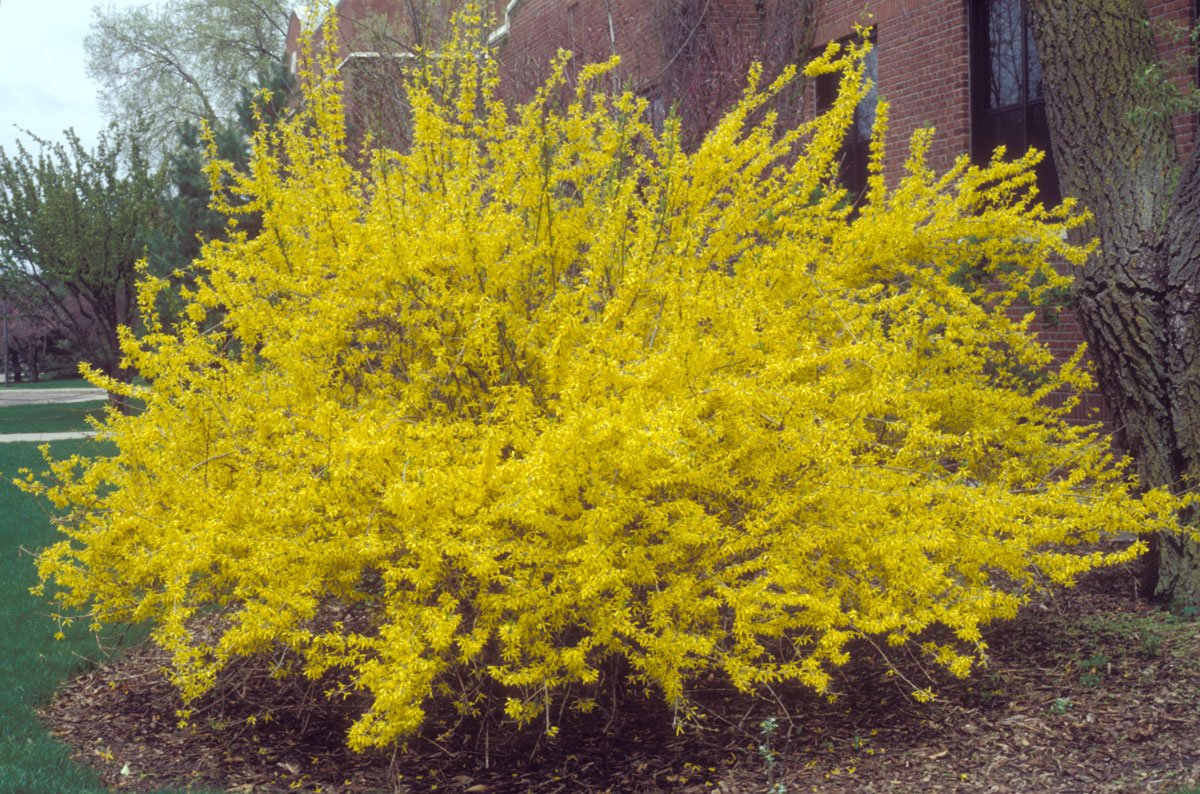
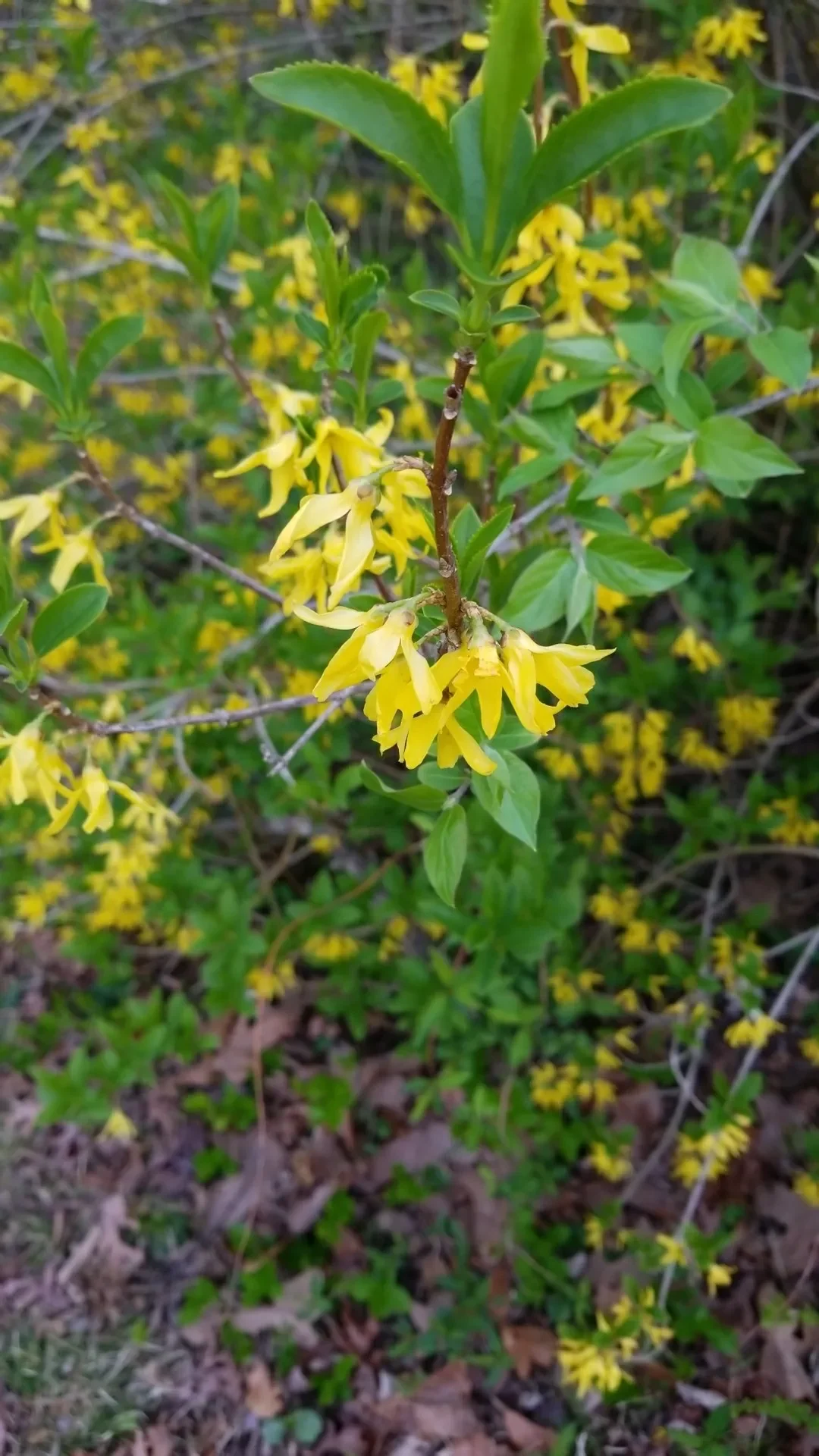
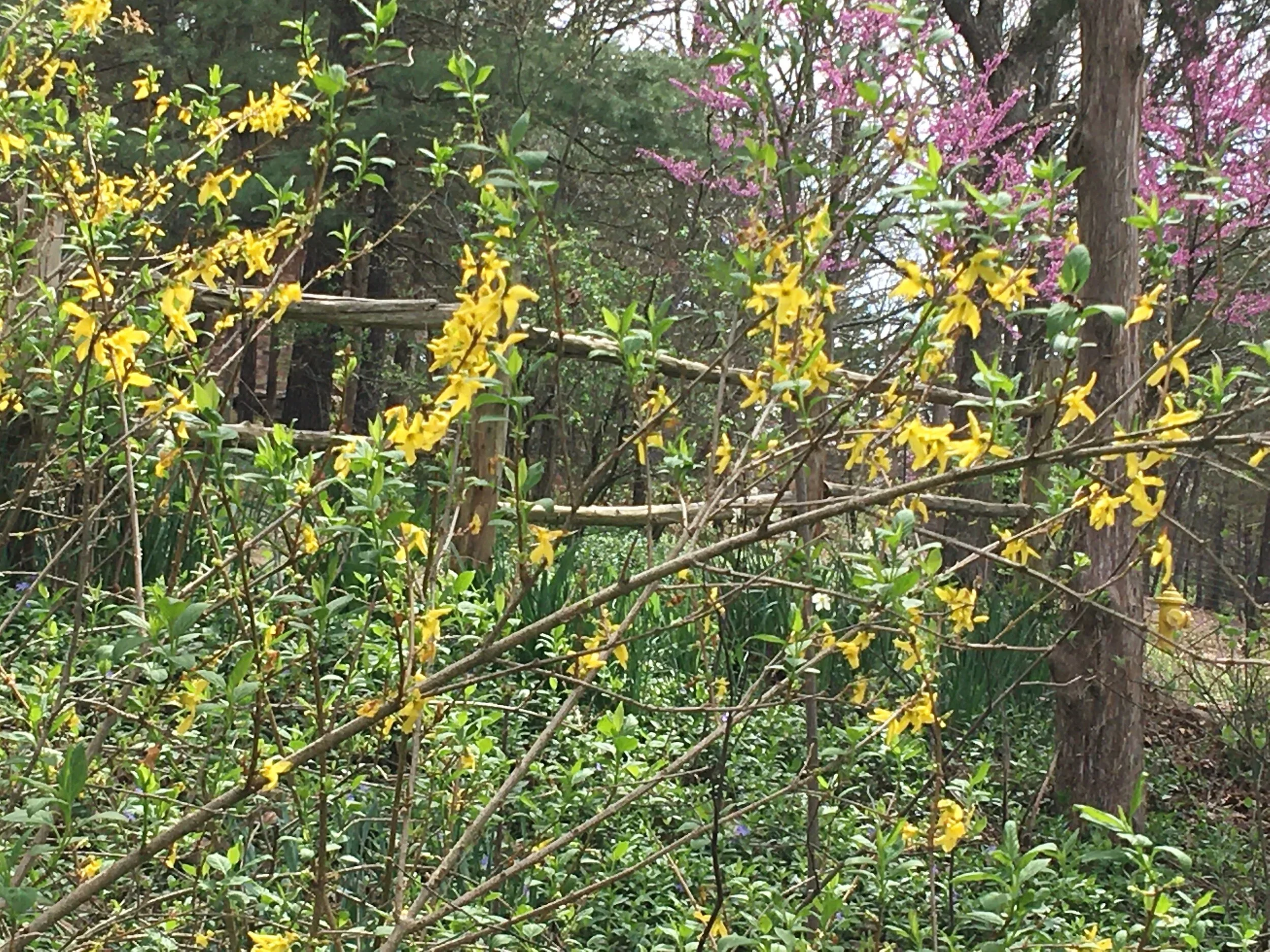
⭐ How These Phases Correlate to Timing
Forsythia Phase:
Full Yellow Bloom
Meaning: Window is Open
Action: Apply Pre-emergent NOW
Yellow → Green Mix
Meaning: Window is closing
Action: Apply immediately
Fully Green
Meaning: Too late
Action: Pre-emergent has reduced efficacy, have post-emergent ready.
This pattern has been used by turf managers for decades and matches GDDTracker.com almost perfectly.
🧪 6. Choosing the Right Pre-Emergent
Prodiamine (Barricade-like)
Longest-lasting
Great for early applications
Perfect for homeowners
Dimension (Dithiopyr)
Slightly shorter control
Has early post-emergent activity (great for late starts)
Pendimethalin (not recommended)
Stains
Short control
Old chemistry
Best for early planners: Prodiamine
Best if you’re often late: Dimension
(Affiliate placement goes here.)
🧴 7. Application Tips for Best Results
✔ A. Water it in
0.25–0.5" irrigation
Rain within 3 days also works
Without water → barrier doesn’t activate
✔ B. Don’t aerate after applying
Aeration disrupts the barrier.
✔ C. Apply evenly
Use a calibrated spreader.
✔ D. Avoid overseeding conflicts
Pre-emergents can block seed growth.
If you plan to overseed in fall:
Prodiamine is fine
Avoid fall overseeding if you apply too late in spring at high rates
If you plan to overseed in spring, DO NOT apply pre-emergent.
📍 8. When to Apply the Second Application
Some lawns need a split application:
Light sandy soils
High-heat areas
Homeowners who mow low
Areas with chronic crabgrass pressure
General rule:
Apply first application at 200–250 GDD
Apply second at 500 GDD
GDDTracker has a “Split Application” indicator built in.
🗓️ 9. Summary & Timing Cheat Sheet
✔ Apply when GDD32 = 200–250
(Use GDDTracker.com)
✔ Forsythia blooming = window is closing
✔ Redbud blooming = you're borderline late
✔ Soil temp 55°F for 3 days = germination imminent
✔ Prodiamine = early, long control
✔ Dimension = later, flexible control
✔ Do NOT aerate after applying
✔ Water in after spreading
✔ Avoid using prior to spring seeding
⭐ Conclusion
Pre-emergent timing is one of the biggest “make or break” moments in cool-season turf management.
Using GDDTracker.com ensures you never miss the window, and pairing GDD with nature cues keeps your timing dialed in even in unusual weather years.
Apply correctly once or twice in spring—and you’ll eliminate 80–90% of your season-long crabgrass headaches.
This article may contain affiliate links.
